







Search Results for: Grind Setting Adjustment
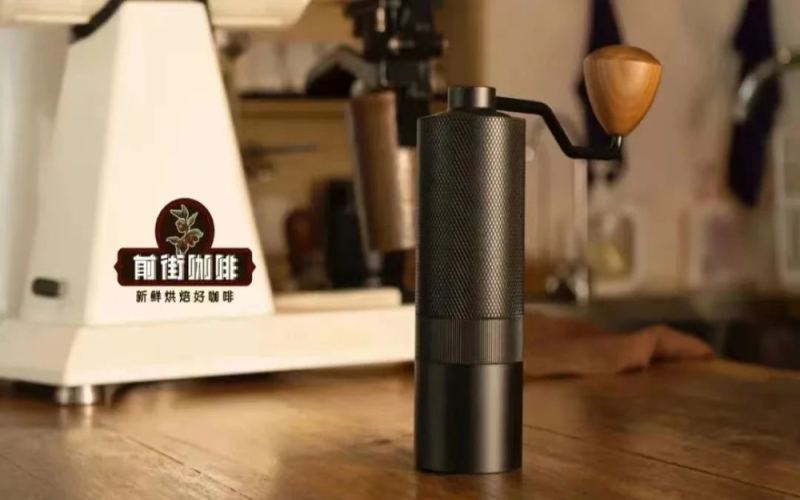
A Practical Guide to Using a Manual Coffee Grinder: A Full Breakdown of Burr Structure, Grind Setting Adjustment, and Daily Maintenance
Manual coffee grinders are a go-to piece of gear for many pour-over enthusiasts, serving both everyday home use and, when paired with a French press, AeroPress, or moka pot, forming a portable outdoor kit. Grinders from different brands and models vary noticeably in price and the quality of the ground coffee they produce. From the perspective of Front Street, this article systematically breaks down the core components of a manual grinder—the burr, the adjustment dial, the handle, the bean hopper, and the grounds bin—and explains how to adjust the grind setting according to your brewing method, how to turn the handle correctly, and the key points of cleaning and regular maintenance, helping you use your manual grinder more smoothly and making every cup's extraction more consistent. [more…]
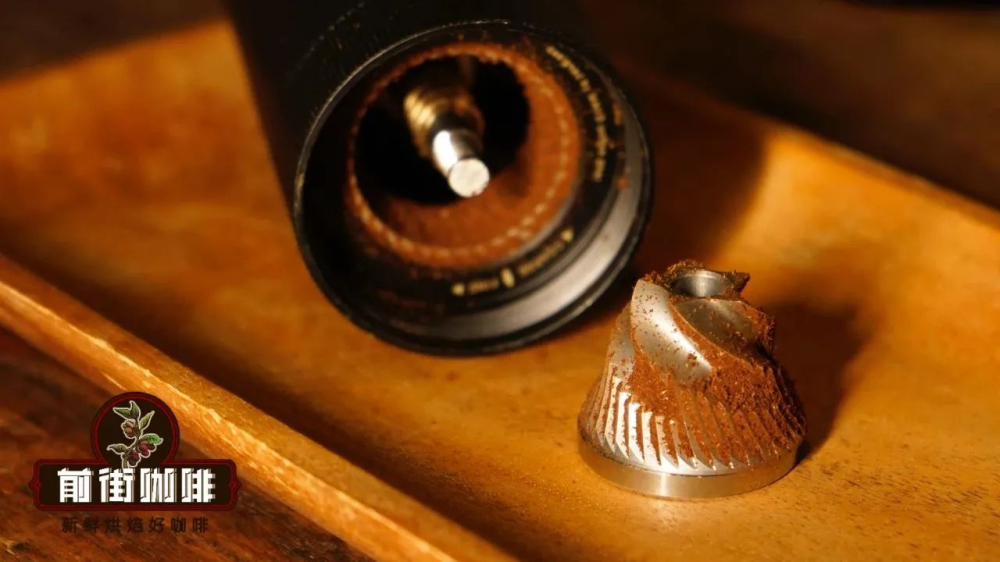
Coffee Grind Size Parameter Adjustment Tutorial | How to Judge Coffee Ground Coarseness? What Coffee Bean Grind Size Is Suitable for Pour-Over Coffee and Espresso?
Grinding is crucial to coffee extraction—one could say that the coarseness of the coffee grind directly affects the flavor of a cup of coffee. And for different extraction methods, the coffee grind size also needs to be adjusted. The coarseness of the coffee grind directly affects the length of extraction time and the level of extraction yield. Coffee grind [more…]
The correct way to drink espresso | How much coffee powder is used to make an espresso? How do you determine the grind setting for espresso beans?
When brewing coffee, we all know that the coarseness of the grind is very important. If you're not careful and don't find the right grind setting, or if the grind is uneven, the coffee can easily end up under-extracted or over-extracted. Compared with methods like pour-over and cold brew, espresso grounds are ground much finer and require more precise adjustment to get the taste of the espresso just right. [more…]
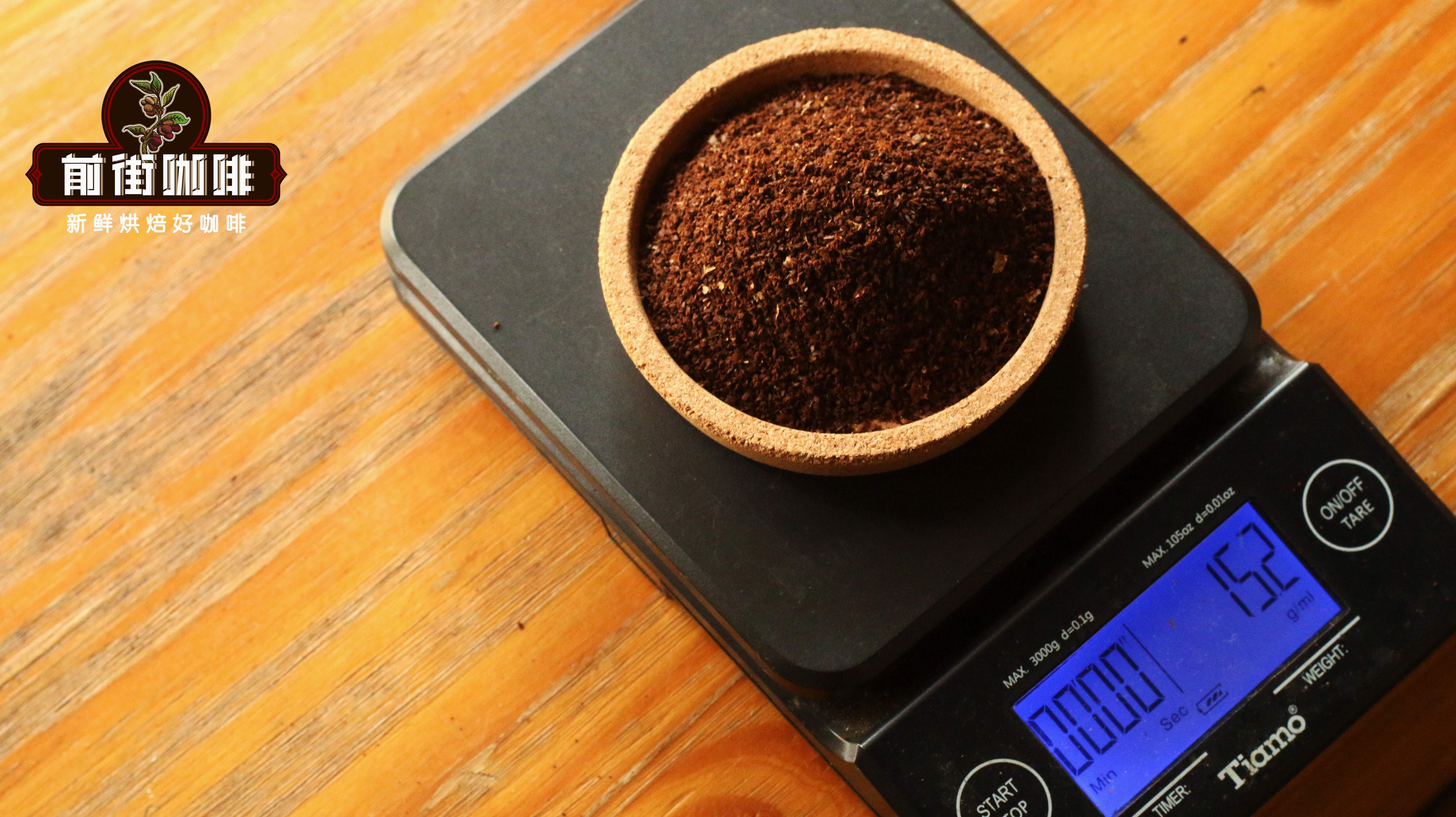
How to Use a Coffee Grinder | How to Adjust the Grind Size on a Manual Coffee Bean Grinder? What Grind Size for Pour-Over, Ice Drip, Cold Brew, Siphon, Moka Pot, and American Drip Coffee?
We all know that different coffee beans require different grind sizes. When making pour-over coffee, you need to grind the coffee beans into powder first, and then brew. So every coffee shop has an electric coffee grinder, but electric grinders are also quite expensive, so many coffee enthusiasts consider manual ones. [more…]
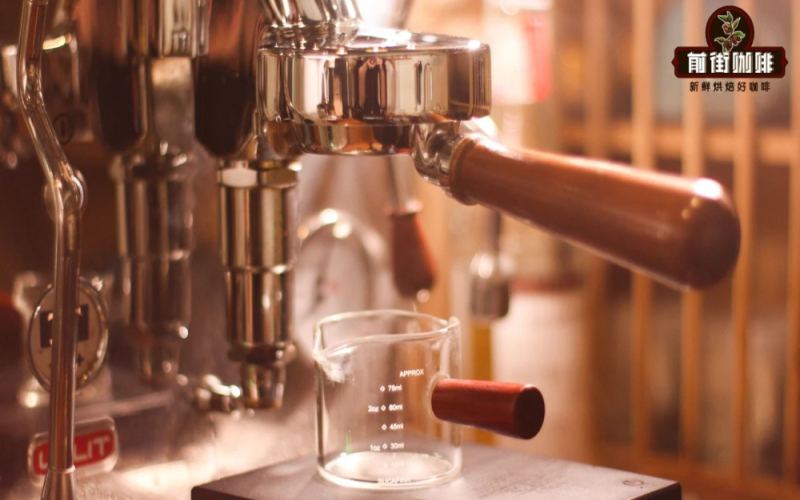
Americano Features | What Factors Affect Espresso Quality? What Is the Espresso Extraction Formula? Introduction to Iced Americano Ratio and Method
For more specialty coffee knowledge, please follow our WeChat official account: FrontStreet Coffee. Anyone who has made coffee knows that a standard Americano is made by combining espresso with water—meaning whether an Americano tastes good depends entirely on the quality of the espresso. Extracting espresso. [more…]
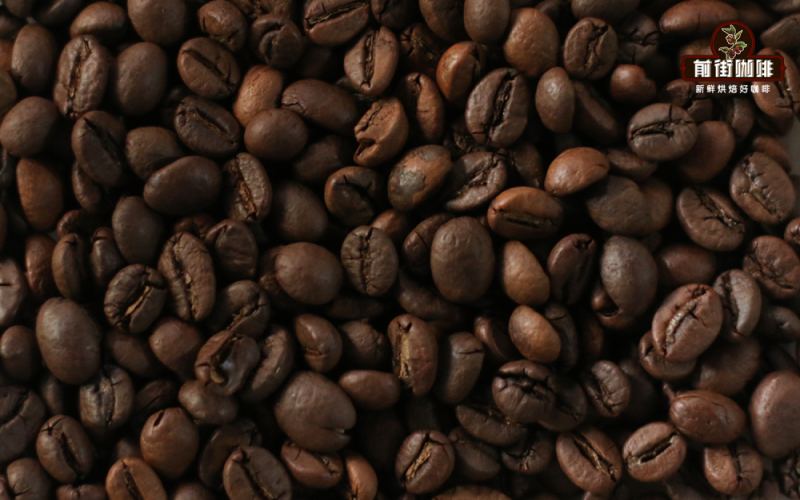
SOE Coffee Brewing Guide | Is espresso made from SOE beans sour? How to adjust the SOE coffee extraction ratio?
SOE, a term frequently seen in coffee shops in recent years—what exactly is SOE? And when you suddenly crave one, how can you make a satisfying cup of SOE? What is SOE? SOE stands for "Single Origin Espresso," which means single-origin [more…]
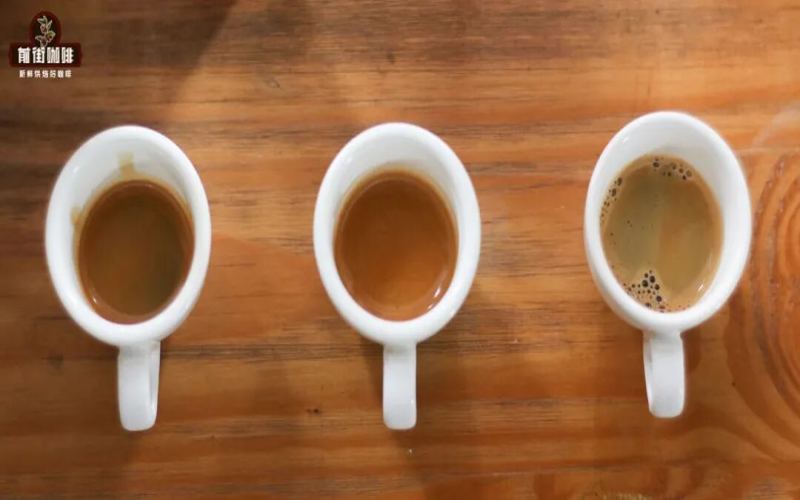
SOE Coffee Brewing Guide | How to Make Delicious SOE Espresso? How to Adjust SOE Coffee Bean Brewing Parameters?
After drinking too much traditional dark-roast espresso, one can't help but want a change of taste. As a result, most people swap the dark-roast blend in their hopper for SOE coffee beans that highlight flavor, using them to craft espresso with a pronounced acidic taste. These beans tend to be roasted on the lighter side, so if we use the parameters for extracting dark-roast beans [more…]

Espresso Grind Size | How to Adjust the Grind Setting for Espresso Beans? Recommended Espresso Blend Roasting Brands for Beginners
Many friends who have just opened a café or bought an espresso machine for home find that when they take the espresso beans they bought and follow the parameters provided by the seller, the espresso they make has no crema, or is very weak, or is very bitter. When this happens, the only thing we can change is the grind of the coffee beans. [more…]
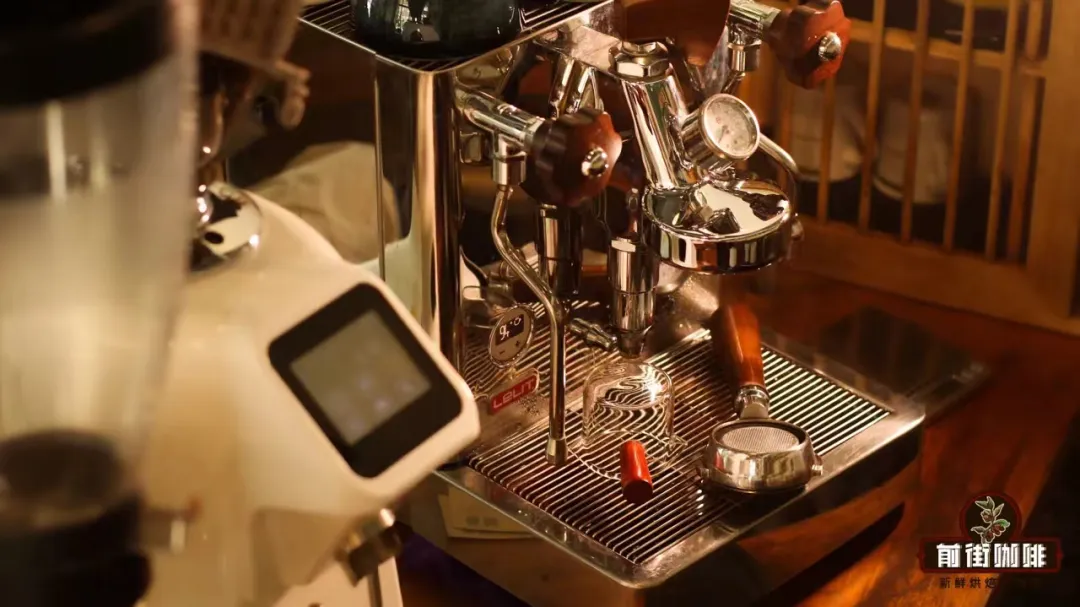
Espresso Grind Size Chart | What Coffee Ground Size Suits French Press, Cold Brew, Ice Drip, Siphon, and Moka Pot? How to Judge and Adjust Coffee Grind Size?
If you pay close attention, you'll notice that coffee shops use many different brewing methods, but based on the grind size of the coffee grounds, they usually fall into two categories. One is a grind as coarse as granulated sugar, suitable for pour-over coffee, French press coffee, siphon coffee, cold brew coffee, and so on. The other is between flour and muddy sand in texture. [more…]
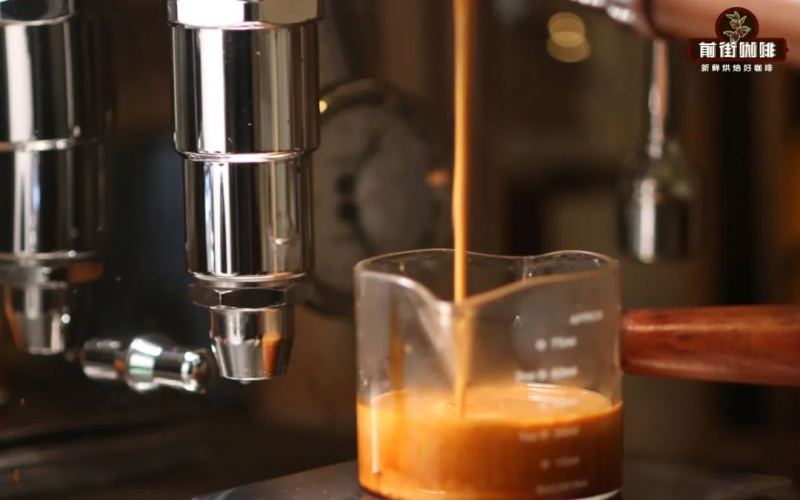
Espresso Grind Size|How Fine Should Espresso Coffee Grind Be and How to Adjust It
Espresso is the foundation of Italian-style coffee. The wide variety of milk coffees we see on café menus are mostly based on espresso. In addition, although many people like espresso with milk added, there is still a group of enthusiasts who love espresso. No matter from which angle you consider it, making [more…]
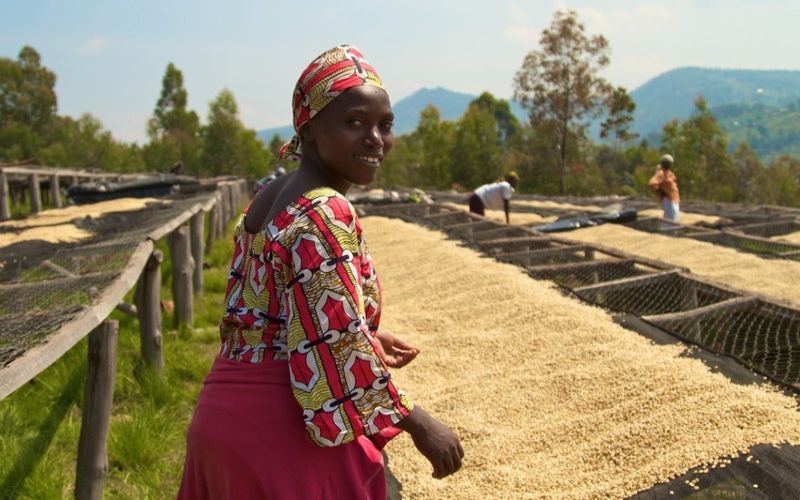
Home espresso machines can also make SOE: adjust parameters by roast level.
A shot of espresso with floral aromas, fruity acidity, or cocoa-like sweetness doesn't have to rely on café equipment to achieve. SOE refers to espresso made from single-origin or single-batch coffee beans, and home semi-automatic machines can give it a try too. As long as the machine's temperature control, pressure, and grinder perform consistently, you can work your way from light roasts to dark roasts and gradually find the right [more…]
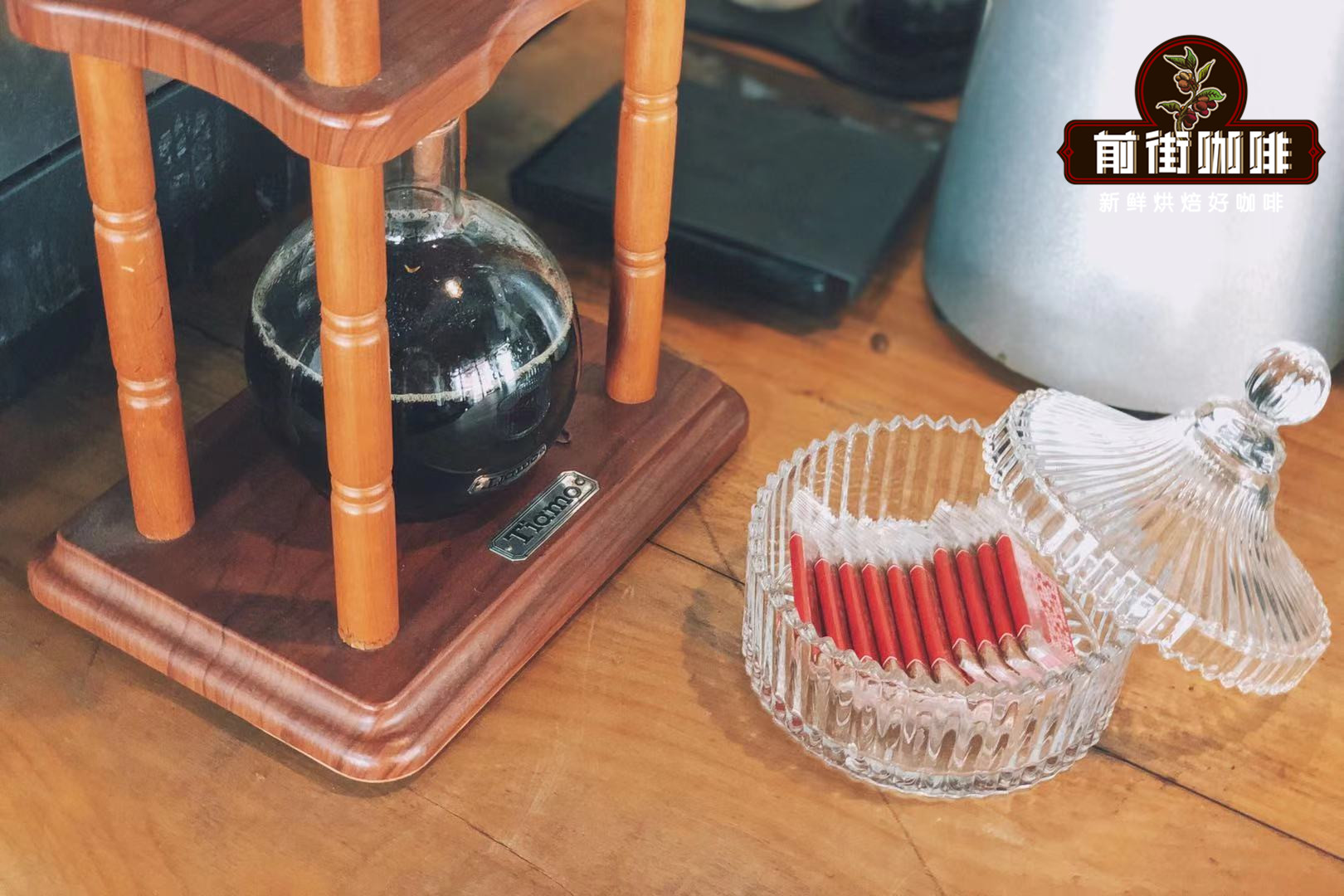
Coffee Grinding | Which is the finest grind setting from 1 to 10? How do you read the grind size for espresso and moka pot? How do you adjust the coffee grind size?
A delicious cup of coffee is hard-won, because from seed to cup is a very long wait, and even at the final step of extraction, you must ensure that the coffee you use meets brewing standards, because extraction is easy, but have you ever thought about it—coffee grounds extract flavor compounds, so the water used [more…]
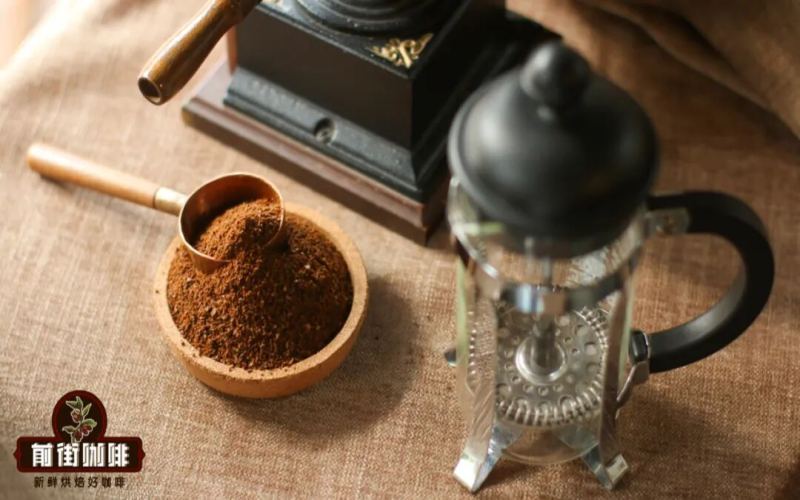
Grind Size | What coffee grind coarseness should be used for pour-over, cold brew, ice drip, moka pot, and espresso? How can coffee beginners judge the correct coffee grind size?
No matter what method we use to make coffee—whether it's pour-over, cold brew, or espresso—we first need to grind the coffee beans into grounds before we begin. The purpose of doing this is to increase the surface area of the coffee that comes into contact with water, speed up the dissolution of flavor compounds, and give the brewed coffee a fuller taste. [more…]
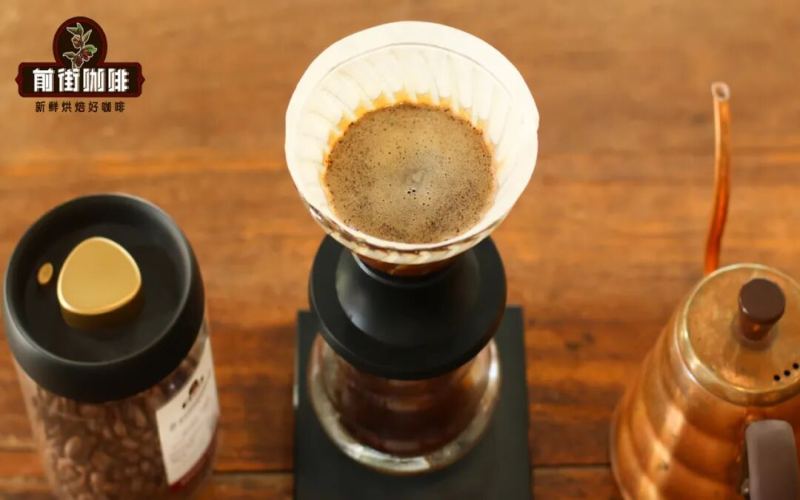
Coffee Grounds Dosage | What is the ideal coffee-to-water ratio for pour-over coffee? Will a 1-gram difference in coffee grounds change the coffee's flavor?
For coffee brewing, the coffee-to-water ratio is one of the important factors that need to be considered first. But because it does not need to be adjusted according to the roast level of the coffee beans like water temperature and grinding, we often fix a ratio to brew coffee of all roast levels. For example, Front Street often recommends new [more…]
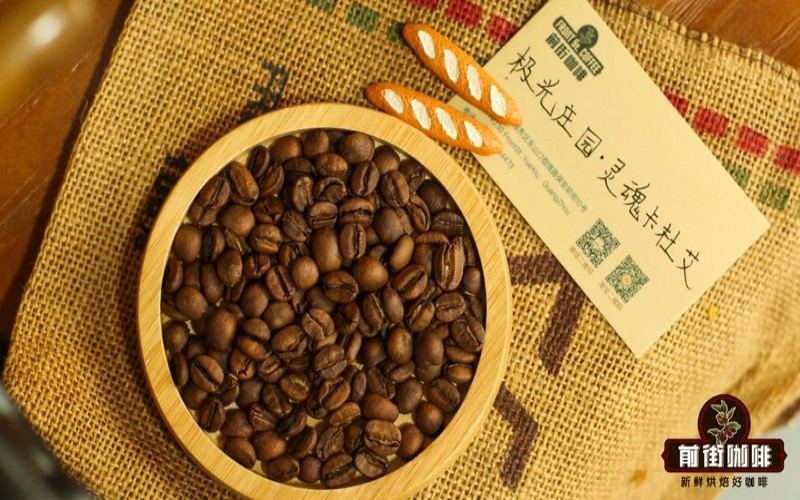
Coffee Machine Bean Selection Guide: Choosing the Right Cup by Roast Level
Espresso machines pull shots quickly and produce high concentration, and the roast level of the beans directly affects aroma, acidity, and body. If you mainly use a home espresso machine, super-automatic coffee machine, or capsule-based alternative, you can first determine your direction among light, medium, and dark roasts, then choose based on whether you usually drink espresso, Americano, or latte. This way, selecting beans will [more…]
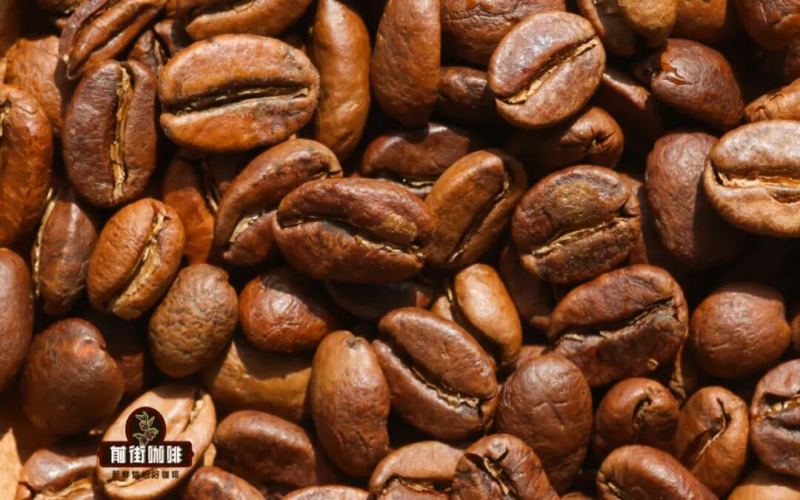
Espresso Making | Why do coffee shops need to dial in espresso every day when they open? How do changes in coffee bean condition affect the taste of espresso?
Honestly, Front Street Coffee believes that in a barista's daily work, there is nothing more painful than the morning ritual—dialing in espresso. If there's anything more painful than that, it must be dialing in espresso on a rainy day. Because if you're not careful, you'll end up full of espresso, drinking it until you're sick of it. Some friends find this very hard to understand; they think [more…]
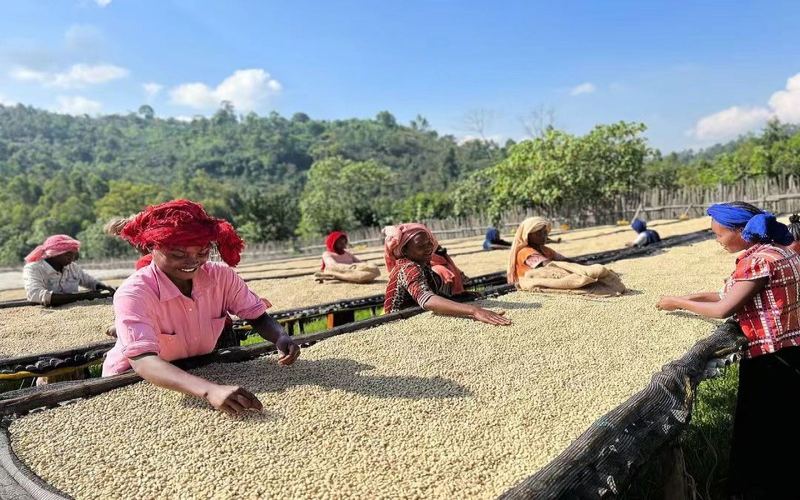
For automatic coffee machines, choose bean roast level like this
Fully automatic coffee machines usually focus on one-touch espresso, Americano, and milk coffee. The roast level of the coffee beans directly affects the flow rate, aroma expression, and mouthfeel. Rather than fixating only on origin or flavor descriptors, it's better to first look at the light, medium, medium-dark, and dark roast labels on the packaging, then combine that with the drinks you have every day to choose the one that's easier to dial in. [more…]
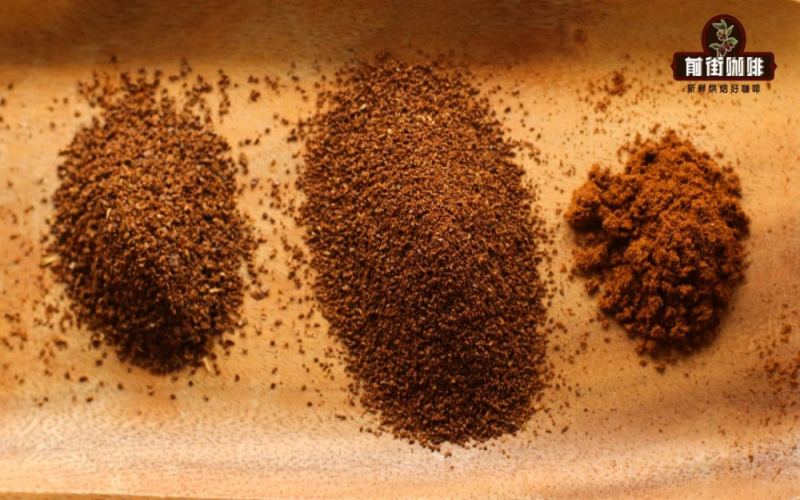
Coffee Grounds Coarseness Reference | Pour-Over Coffee Grind Size 1 to 10: Which Is the Finest? How to Adjust Coffee Bean Grind Parameters for Espresso and Moka Pot
A delicious cup of coffee is hard-won, because from seed to cup is a very long wait. Even at the final step of extraction, you must ensure that the coffee you use meets brewing standards, because extraction is easy—but have you ever thought about it? Coffee grounds are what extract the flavor compounds, [more…]
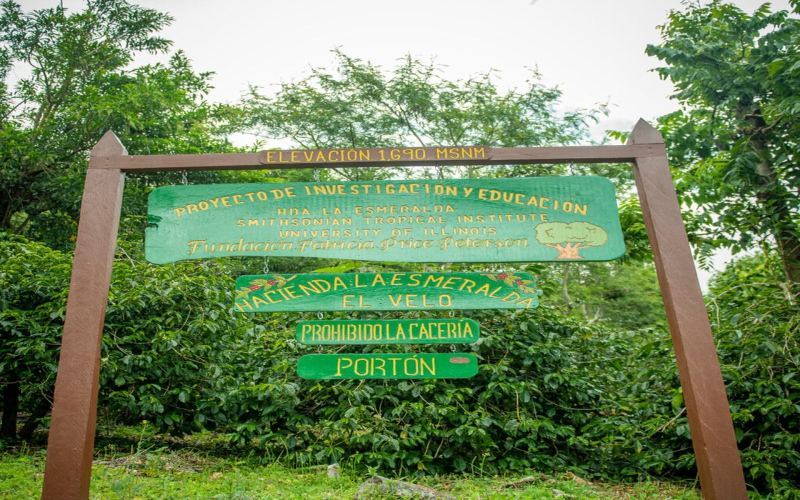
Commercial Coffee Bean Recommendations: The Brewing Logic from Light to Dark Roasts
The roast level of commercial coffee beans directly influences a cup's aroma profile, mouthfeel weight, and suitable drinks. Light roasts tend to preserve floral and fruity notes, medium roasts commonly show nutty, caramel, and soft sweetness, while dark roasts push cocoa, roast, and heaviness to the forefront. When selecting beans for a shop or home, filtering along these lines is better than simply [more…]
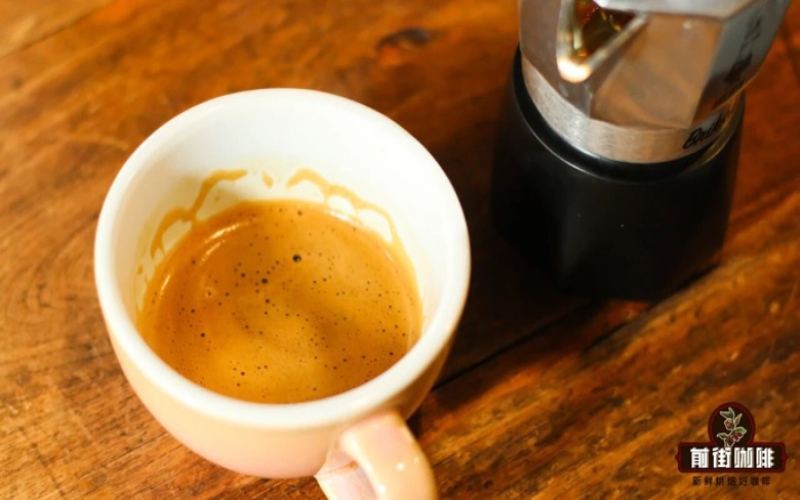
Single-Origin Moka Pot Trials: Mandheling, Bird of Paradise, and Sidra in the Pot
Trying single-origin beans in a moka pot is a fascinating thing to do. The moka pot's extraction method brings about wondrous changes in the beans' flavors—some beans produce surprisingly great results, while others take on a completely different character. A few representative single-origin beans are worth trying in a moka pot. Golden Mandheling is an old partner of the moka pot. The dark-roasted Mandhe [more…]